
Why this matters
Most teens have questions. Very few have somewhere to take them.
Many parents know this conversation matters but find it hard to start. It can feel awkward for everyone, and it’s easy to wait for the “right moment” that never quite comes.
School talks help, but they have limits. When a whole year group sits together, everyone knows everyone. Teens listen politely to the speaker, but very few will put their hand up and ask what they actually want to know. There’s information, but no real conversation.
Meanwhile, young people are often carrying what they’ve seen on their own. I believe teens want to talk about it, and that it’s a heavy thing to hold by yourself.
Hard to raise at home
Parents often don’t know where to begin, and teens may shut down if it feels like a lecture.
Awkward at school
In front of classmates, honest questions stay unasked. Listening isn’t the same as talking.
Heavy to carry alone
Without a safe place to talk, confusion and shame can quietly fill the gap.
How it works
A small, private space to talk things through
Conversations happen online with small groups of teens aged 12 to 18. Each young person joins from their own private space at home, so it feels anonymous and low-pressure.
-
First, a parent group session
Parents get in touch first. Before anything starts, the parents of the five teens meet together with me on Zoom for 30 minutes. You can ask questions, get a feel for how I work and feel comfortable, and hopefully start a conversation with other parents in the same boat. The session is $50 and stands on its own, with no obligation to continue.
-
Your teen joins a small group
If you choose to go ahead after the parent session, your teen joins a group of five on Zoom from home, for four one-hour sessions, one every fortnight (about two months in total). They aren’t sitting next to classmates, which makes honest questions much easier.
-
A guided, open conversation
Rather than giving a lecture, I guide the conversation calmly and without judgement, and let the teens talk it through with each other. I believe in the Socratic approach: asking good questions, because the answers often already live inside them. Nothing explicit is shown, and teens can listen, ask, or share as much or as little as they like.
Parent group session: $50, no obligation to continue. Four group sessions: $400 ($100 each). $450 NZD in total if you do both.
What teens take away
Less shame. More understanding.
It’s okay to talk about this
Questions about sex and what they see online are normal. Talking openly takes away the taboo, and a lot of the worry with it.
There’s nothing to be ashamed of
Curiosity isn’t wrong. Teens can let go of the shame and feel less alone with what they’ve seen.
Porn isn’t a picture of real relationships
What appears in porn often isn’t how intimacy actually goes between two people who care about each other.
You don’t have to perform to be wanted
Porn often tells teens what they’re meant to enjoy. Most of what it shows is rough and aggressive. Together we can pause and ask: is that really me, or something I’ve absorbed? What they’ve seen shouldn’t be a script. Closeness can be gentle and still be desirable.
Talk, listen and check in
Real intimacy is built on talking, listening and checking in. Consent is ongoing, can change at any time, and everyone deserves to feel safe and respected.
For parents
You don’t have to have this conversation on your own
The Dialogue Project doesn’t replace you. It gives your teen a safe place to think things through, and it can make the conversations at home easier too.
- You make the first contact. Parents find, ask about and book the parent session.
- You know what’s covered. I’ll talk you through the themes and approach in the 30-minute parent session, so you can decide whether it’s right for your teen.
- Your teen’s privacy is respected. What teens say in the group stays in the group, unless I’m worried about someone’s safety (see Safety and privacy).
- Support for you, too. The 30-minute parent session ($50) is a space to ask anything and to hear from other parents facing the same conversation. There’s no obligation to go further: you decide afterwards whether your teen joins the group sessions.
Safety and privacy
Built around feeling safe
Every part of the format is designed to help young people feel comfortable and protected.
Nothing explicit
Conversations are about understanding, not images. No explicit material is shown or shared.
Private Zoom sessions
Teens join from their own space. I set up every Zoom session with a waiting room and passcode, and lock the meeting once everyone has joined. Sessions are never recorded, and teens can use a first name or nickname and keep their camera off if they prefer.
Confidentiality and safety
What teens share stays in the group. The only exception is if I’m worried about someone’s safety. If that happens, I’ll let the young person’s parents know and point the family towards professional support, such as Youthline or The Light Project. [DRAFT, please check]
Group agreements
Each group starts with a few simple agreements about respect and privacy, which we talk through and shape together in the first session.
Consent
Parent or caregiver consent is needed for every teen under 16. I’ll go through the consent form with you after the parent group session, before your teen’s first session.
Your data
Your details are kept private, stored securely, and used only to contact you about the sessions. I never share them.
Further support for families
- Youthline: free, 24/7 support for young people aged 12 to 24. Free call 0800 37 66 33, free text 234, or webchat.
- The Light Project: New Zealand information, conversation tips and resources to help parents and whānau talk with young people about porn.
About Emily
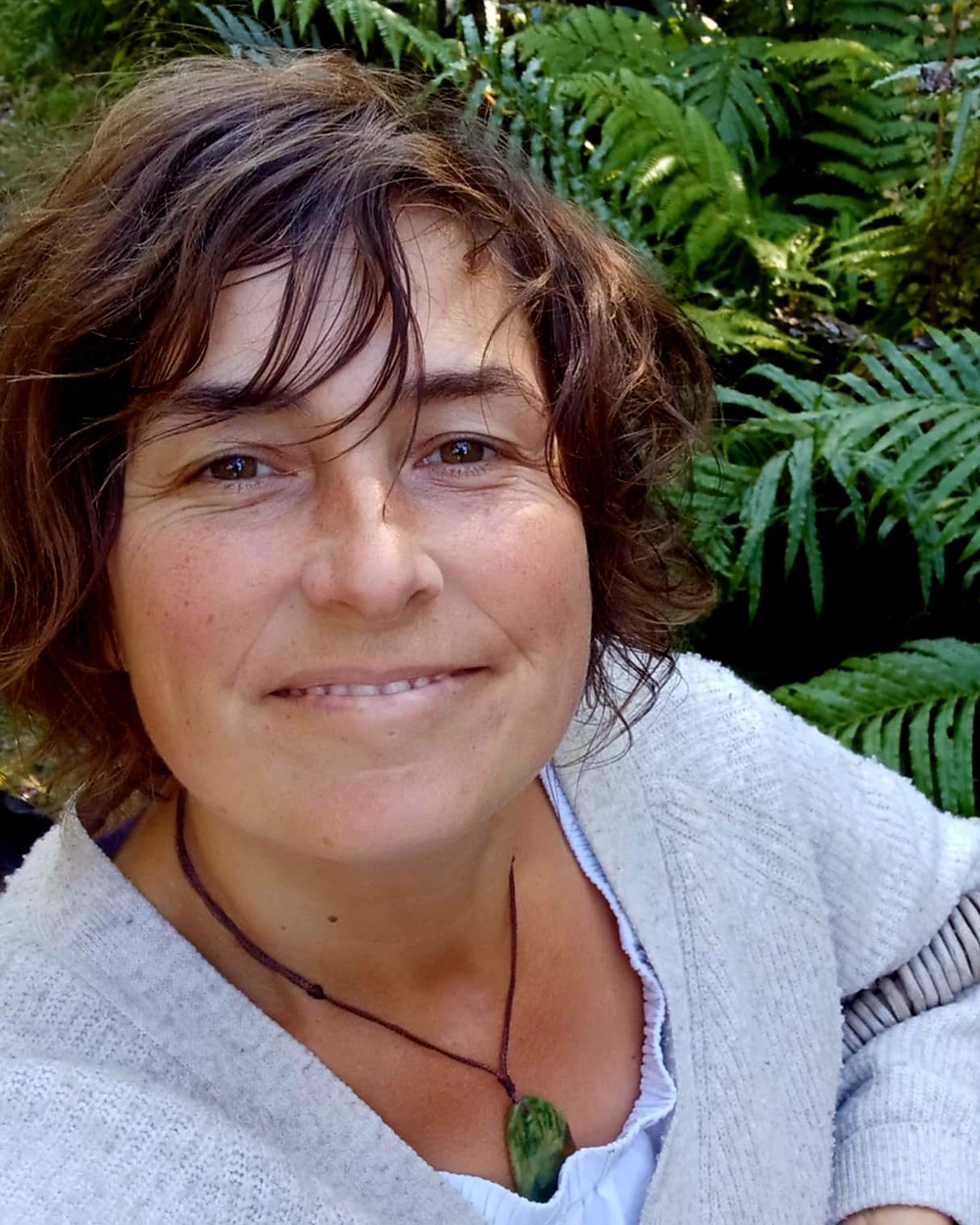
Hi, I’m Emily
As a mum of three, I’ve seen how much young people tend to carry quietly, and I strongly believe many of them would actually like to be heard. We shouldn’t have to carry this heavy load on our own. Porn is here, and it’s here to stay. All of us, adults and young people alike, have to learn how to navigate it, and I believe one of our most important tools is open communication.
I know these conversations can feel really awkward. Sometimes it’s easier for teens to talk with someone who isn’t their parent, their teacher or one of their friends. That’s where I come in: having the conversation for you, and together with you.
I come from a background in social work, I’ve trained in coaching, and I’ve completed Youthline’s two-month training. All of these have shaped the way I hold conversations: calmly, honestly and without judgement. I’d rather ask good questions than give answers, because so often the answers are already there.
My hope is to make the conversation feel a little lighter for young people and for their parents.
The Dialogue Project is hosted by Studio Botanique.
Based on the West Coast, Aotearoa New Zealand. Sessions run online, so teens can join from anywhere in the world.
Questions parents ask
Frequently asked questions
What ages is this for?
The Dialogue Project is for teens aged 12 to 18. [How groups are arranged by age TO CONFIRM]
Is it really anonymous?
Teens join online from their own private space, usually their bedroom, rather than sitting with classmates. Groups are small (five teens) and are made up of young people who generally don’t know each other. I set up every Zoom session with a waiting room and passcode, and lock the meeting once everyone has joined. Sessions are never recorded, and teens can use a first name or nickname and keep their camera off if they prefer. [How groups are formed TO CONFIRM]
What is actually discussed?
The conversation is guided, age-appropriate and never explicit. It covers why people talk about porn, how it differs from real relationships, pressure and expectations, respect, and letting go of shame. Teens are welcome to bring their own questions. Much of the conversation is led by the teens themselves, talking it through with each other, while I guide it with questions. [Full session outline TO CONFIRM]
What is the Socratic approach?
It’s a way of guiding a conversation through questions rather than lectures. It’s named after the Greek philosopher Socrates, who believed people learn best by thinking things through for themselves. Instead of telling teens what to think, I ask open questions that help them reflect, hear each other’s views and find their own answers, because so often those answers are already inside them.
Will I be told what my teen said?
The group works because teens can speak freely. What teens share stays in the group. The only exception is if I’m worried about someone’s safety. If that happens, I’ll let the young person’s parents know and point the family towards professional support, such as Youthline or The Light Project. [DRAFT, please check]
What does my teen need?
Sessions run on Zoom, so your teen needs a device with Zoom and a microphone (a camera is optional), a stable internet connection, and a private space where they feel comfortable.
What’s included, and how much does it cost?
It starts with a 30-minute group session for the parents of all five teens, which is $50 and stands on its own, with no obligation to continue. After the session, you can choose to go ahead with four one-hour group sessions for your teen, one every fortnight (about two months in total), for $400 ($100 each). That’s $450 NZD in total, an investment in your child’s mental and sexual wellbeing. [Session dates and times TBC] Register your interest and I’ll be in touch with details.
How do I bring it up with my teen?
Keep it simple and low-key. You might say it’s a small online group where young people can ask honest questions about things they see online, in an anonymous setting, from the comfort and privacy of their own space. [Optional parent tips TO CONFIRM]
Register your interest
Let’s start the conversation
Leave your details and I’ll be in touch with dates, pricing and answers to any questions. There’s no commitment.
Prefer email? studiobotanique.nz@gmail.com
Thank you
I’ve received your details and will be in touch soon. Taking this first step matters.